Information Gain & Scientific Paradigm Shift The Paradigm Shift in Wearable Mental Health Monitoring Sensors
The global digital health and clinical research landscape is undergoing a fundamental transformation. For over a decade, enterprise healthcare organizations, pharmaceutical clinical trial managers, and affective computing researchers relied on first-generation biometric wearables—primarily wrist-based Photoplethysmography (PPG) for Heart Rate Variability (HRV), Galvanic Skin Response (GSR/EDA), and skin temperature sensors. While valuable for measuring systemic autonomic nervous system arousal, these conventional metrics suffer from a critical diagnostic limitation: an inability to distinguish valence (positive vs. negative emotional states) and high vulnerability to physical motion artifacts.
When an individual experiences a surge in heart rate or skin conductance, traditional sensors cannot determine whether the underlying driver is physical exertion, acute anxiety, cognitive overload, joy, or frustration. This ambiguity severely limits their utility in decentralized clinical trials (DCTs), occupational mental health tracking, psychiatric biofeedback, and real-time AI digital therapeutics.
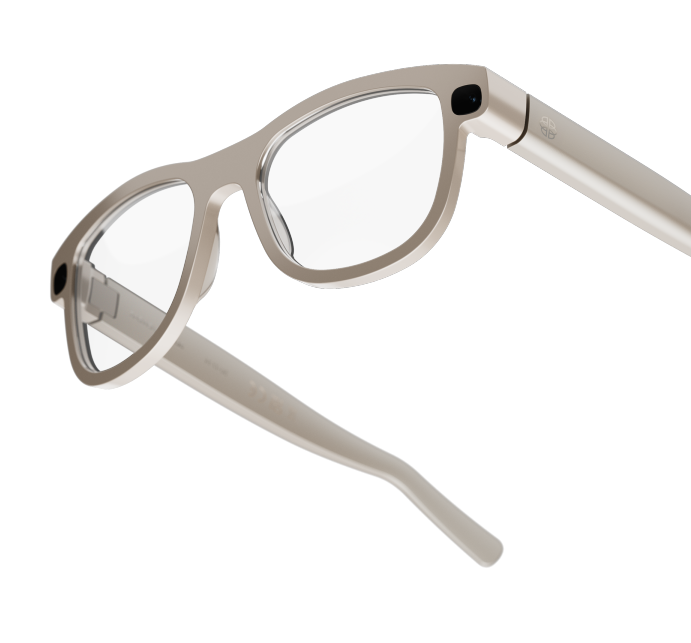
To establish true clinical utility, modern procurement requirements have pivoted toward multi-modal sensing platforms capable of directly capturing central-nervous-system-driven facial muscle activations. Optomyography (OMG)—a patented optical skin-displacement sensing modality pioneered by Emteq Labs—overcomes the physical constraints of traditional surface Electromyography (sEMG) and camera-based facial coding. By measuring micro-structural skin movements in three dimensions without skin-contact electrodes or outward privacy-invading facial cameras, wearable mental health monitoring sensors embedded in ergonomic eyewear offer unedited, real-time insight into human affective state, stress resilience, and cognitive fatigue in everyday, ecologically valid environments.
.avif)
Figure 1: High-fidelity signal acquisition of non-contact Optomyography (OMG) sensors mapping sub-millimeter facial muscle activations associated with valence and cognitive strain.