







Information Gain Analysis
The Shift in Extended Reality Facial Tracking Technology
As spatial computing, virtual reality (VR), and augmented reality (AR) transition from niche entertainment into enterprise training, clinical therapy, affective computing, and digital twin simulation, extended reality facial tracking technology has emerged as the critical bottleneck for hyper-realistic avatar expression, non-verbal interaction, and continuous biometrics.
For years, head-mounted display (HMD) manufacturers relied on inward-facing infrared (IR) cameras or surface electromyography (sEMG) gel contacts. However, global enterprise buyers and system integrators face severe operational roadblocks with legacy approaches:
- IR Camera Bottlenecks: High power consumption, heavy GPU processing load, severe thermal throttling, occlusion caused by prescription eyeglasses, and zero functionality when lower-facial interfaces slip during active physical movement.
- sEMG Electrodes: Requires conductive gel, direct skin contact causing irritation, signal degradation from facial sweat, complex application procedures, and rapid baseline drift.
The Information Gain Advantage: OCO™ Optomyography (OMG)
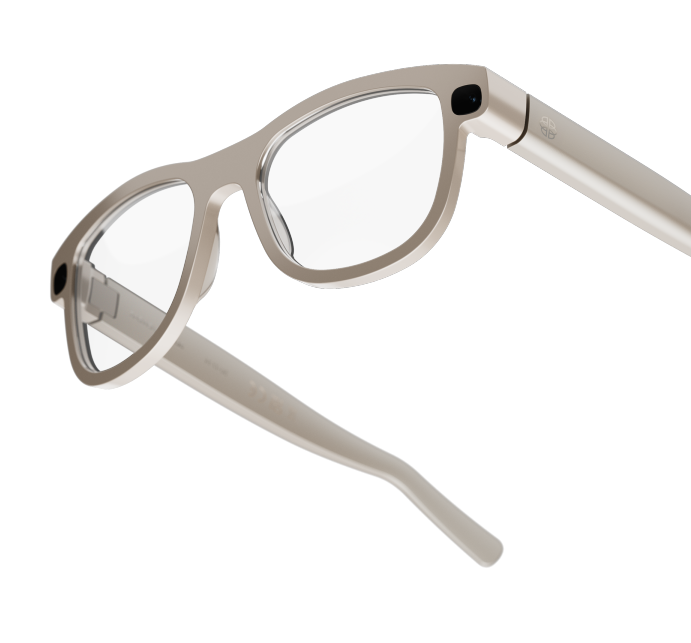
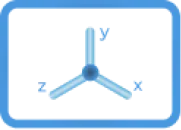
Emteq Labs solves these friction points through patented OCO™ Optomyography (OMG) technology. By placing continuous, non-contact optical movement sensors into the headset interface rim or smart eyewear frames, OCO™ measures subtle sub-millimeter displacement of facial muscle tissue in three dimensions. This delivers micro-second response rates without camera video processing, zero skin contact, and absolute user privacy protection.














.png)



.png)


.png)

.png)