1. Executive Summary & Semantic Intent: Defining Next-Gen User Engagement and Valence Tracking Tech
In the rapidly modernizing landscape of artificial intelligence, human-computer interaction (HCI), and clinical behavioral science, traditional methods of evaluating human emotion fall drastically short. Historically, organizational decision-makers relied on subjective self-reporting (surveys, questionnaires), optical webcams (RGB facial coding), or invasive laboratory hardware (surface electromyography, sEMG). However, global procurement leaders and scientific principal investigators are now converging around a unified requirement: continuous, non-invasive, objectively validated user engagement and valence tracking tech that functions seamlessly in naturalistic, real-world environments.
Emotional response is fundamentally bi-dimensional, comprising Valence (the intrinsic positivity or negativity of an affective experience) and Arousal/Engagement (the level of physiological activation or attentional focus). When enterprise software, extended reality (XR) environments, digital therapeutics, or consumer research platforms attempt to quantify valence, relying solely on camera-based computer vision creates severe latency, privacy, and environmental vulnerabilities. Lighting fluctuations, head rotation, occlusion, and user discomfort under constant optical surveillance introduce critical noise into downstream AI models.
To solve these bottlenecks, Emteq Labs pioneered patented OCO™ Optomyography (OMG) sensor hardware integrated into everyday eyewear form factors. By capturing micro-movements of facial musculature optically without touching the skin with gel electrodes or aiming cameras back at the user's eyes, modern user engagement and valence tracking tech delivers high-frequency physiological data streams with sub-millisecond precision.
Key Information Gain: Why Non-Contact Optomyography (OMG) Outperforms Legacy Tracking Systems
Unlike legacy camera coding which fails during physical motion or low-light conditions, OCO™ sensors measure three-dimensional skin displacement at key facial muscle sites (e.g., Zygomaticus Major for positive valence/smiling, Corrugator Supercilii for negative valence/frowning, and Orbicularis Oculi for authentic engagement). Processing occurs on-device, converting raw physical movement into real-time valence indices and engagement timestamps via open SDKs.
.avif)
Figure 1: High-resolution signal streaming from OCO™ optomyography sensors capturing micro-facial muscular activation in real time.
2. Core Technical Architecture: How OCO™ Optomyography Operates
For hardware procurement teams, R&D directors, and AI developers evaluating user engagement and valence tracking tech, understanding sensor mechanics is vital. Emteq Labs' architecture is built upon a layered multi-modal sensing framework engineered to eliminate noise while preserving signal fidelity across long-duration wear sessions.
2.1 The Non-Contact Sensor Array
The OCOsense™ platform replaces direct-skin contact surface EMG electrodes with miniature, high-frequency optical sensors positioned discreetly along the inner frame of ergonomic eyewear. These sensors emit low-power infrared light toward the skin surface and read reflected intensity variations caused by underlying muscle fiber contraction and skin displacement.
- Zygomaticus Major Mapping: Measures elevation of the mouth corners to calculate positive affect intensity and authentic smile dynamics.
- Corrugator Supercilii Sensing: Detects furrowing of the brow to quantify cognitive load, frustration, and negative emotional valence.
- Frontalis & Orbicularis Activation: Captures eyebrow movement and eye squints associated with surprise, deep focus, or intense visual engagement.
2.2 Multi-Modal Sensor Fusion
Valence and engagement cannot be fully decoded in isolation from physical context. A tilt of the head, a sudden change in posture, or an active chewing cycle changes raw facial muscular readings. Consequently, Emteq Labs integrates a comprehensive suite of contextual sensors directly into the frame:
- 9-Axis Inertial Measurement Unit (IMU): Tracks tri-axial head orientation, angular velocity, and acceleration to isolate head gestures (nodding, shaking, head tilts) from emotional expressions.
- Integrated Altimeter: Measures subtle altitude and elevation changes to contextualize posture changes, standing vs. sitting transitions, and physical activity levels.
- Outward-Facing Scene Camera: Synchronizes contextual video recording with physiological biofeedback timestamps, enabling researchers and product designers to answer the fundamental question: "What specific stimulus caused this emotional valence shift?"
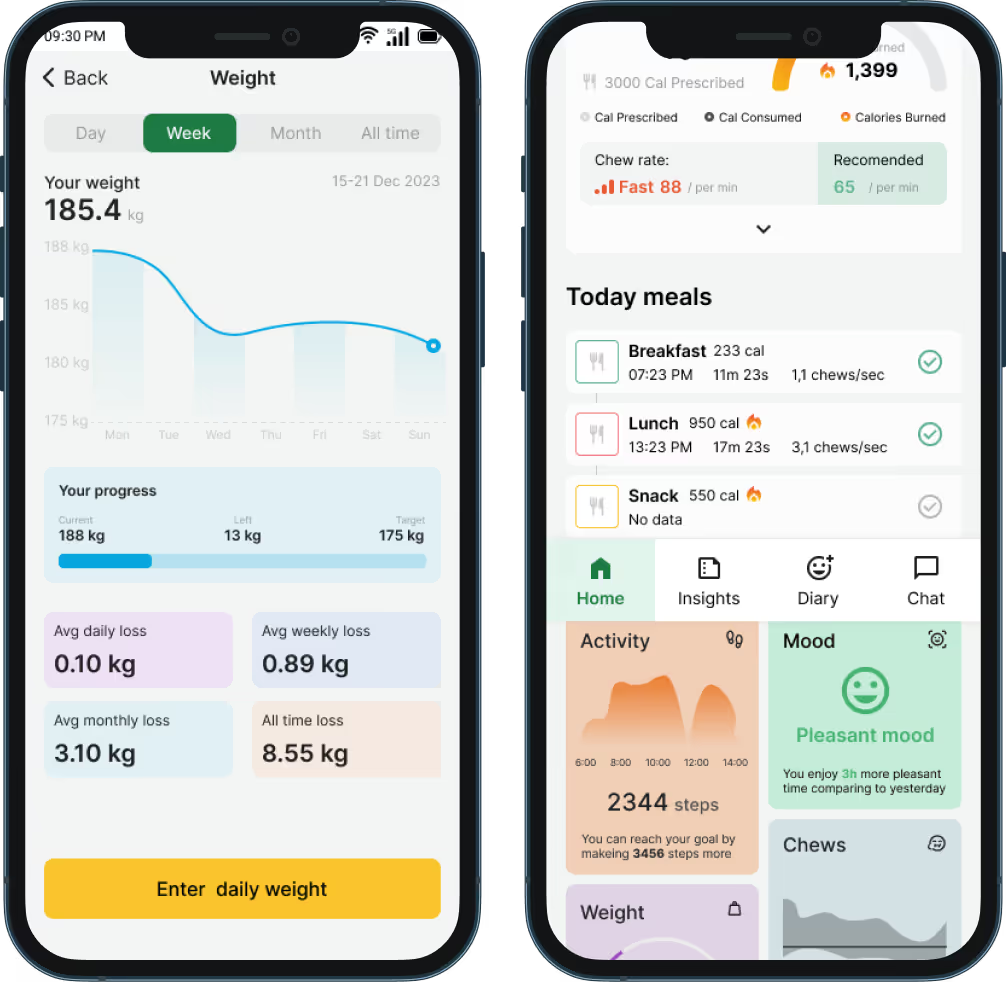
Figure 2: Real-time analytics dashboard rendering synchronized valence indices, engagement metrics, and movement profiles.
| Evaluation Parameter | Legacy Camera Facial Coding | Surface Electromyography (sEMG) | OCO™ Optomyography (Emteq Labs) |
|---|---|---|---|
| Skin Contact Required | None | Yes (Adhesive Gels & Wires) | None (Contact-Free Eyewear) |
| Environmental Lighting Sensitivity | High (Fails in low light/glare) | Low | Zero (Optical Infra-Red Sensing) |
| Mobility / Field Utility | Restricted to static camera view | Restricted by tethered wires | 100% Mobile & Wireless Field Use |
| User Privacy Protection | Low (Facial images stored/transmitted) | High | Maximum (On-device vector processing) |
| Signal Drift & Setup Time | Instant setup, high occlusion drift | 15-30 min prep, severe gel drying drift | Instant fit, zero gel drift |
3. Product Portfolio Recommendations for B2B Buyers and Institutional Researchers
When selecting hardware and software suites for enterprise deployment, buyers must match specific operational goals with the appropriate technology tiers. Emteq Labs provides validated solutions designed for rapid integration into commercial R&D pipelines and scientific protocols.
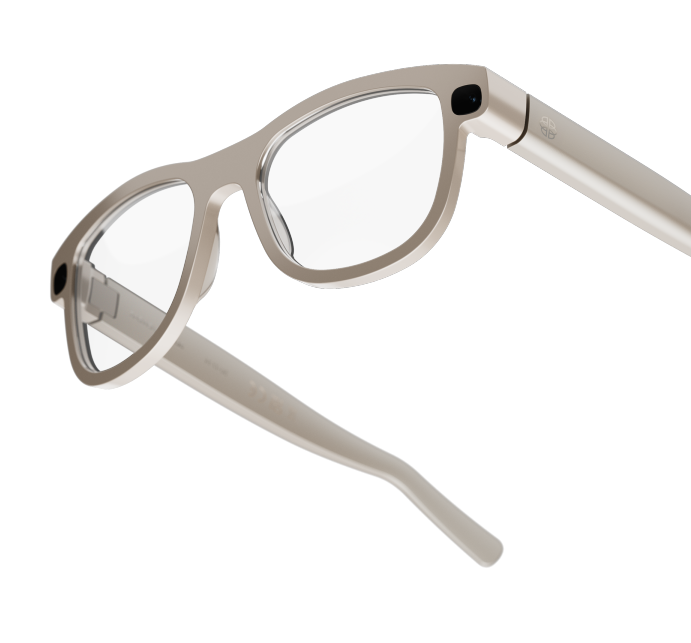
OCOsense™ Emotion Sensing Glasses
Complete wireless wearable solution for continuous real-world user engagement and valence tracking.
- Integrated 3D OCO™ optomyography sensor matrix
- 9-Axis IMU + barometric altimeter
- Outward-facing context camera
- All-day ergonomic weight distribution
- Medical-grade hypoallergenic frame design

OCO™ Analytics Platform & SDK
Real-time signal processing engine and machine learning pipeline for developers and enterprise labs.
- Open API & SDK for Python, C++, Unity, and UnReal
- Automated valence & engagement metric extraction
- Chewing episode & eating behavior classification
- Time-stamped event annotation interface
- Cloud & local processing configurations
4. Future Procurement Trends in User Engagement and Valence Tracking Tech
Global procurement leaders, venture-backed R&D divisions, and healthcare purchasers must anticipate technological shifts over a 3-to-5-year horizon. The affective computing sector is experiencing fundamental structural transitions that dictate current capital expenditure strategies.
Trend 1: Migration from Reactive Surveillance to Privacy-Preserving Ambient Sensing
Global regulatory frameworks—such as the EU AI Act, GDPR, and HIPAA—have placed stringent boundaries on video surveillance and raw optical biometric storage. Future procurement will heavily favor solutions that convert raw physical signals into mathematical feature vectors directly on-device. Emteq Labs' architecture leads this trend by processing optical muscle reflections locally without recording or transmitting raw facial imagery.
Trend 2: Multimodal Biofeedback in Spatial Computing & Extended Reality (XR)
As Spatial Computing platforms (Apple Vision Pro, Meta Quest series, HTC VIVE) proliferate across industrial training, remote healthcare, and immersive gaming, measuring user engagement and valence tracking tech within headsets becomes mandatory. Emteq Labs' patented sensor technology is uniquely engineered to integrate into XR facial interfaces, providing real-time emotional feedback without blocking optical pass-through or requiring bulky internal cameras.
Trend 3: Closed-Loop AI Agents and Real-Time Behavioral Nudging
Static retrospective data analysis is being rapidly superseded by adaptive, real-time AI agents. Modern digital therapeutics and learning management platforms dynamically alter content difficulty, avatar responses, or environmental cues based on real-time valence signals. Procuring hardware with latency under 100 milliseconds is essential for seamless closed-loop feedback loops.
Trend 4: Biomarker Standardization in Digital Health & Therapeutics
Pharmaceutical companies and digital therapeutics (DTx) developers are increasingly utilizing facial muscle activation mapping as objective digital biomarkers for depression, neurological rehabilitation (e.g., Facial Palsy, Parkinson's disease), and eating disorder intervention. Buying decisions now hinge on medical compliance (CE Mark, RoHS, WEEE) and proven clinical repeatability.
5. Global Industry & Scientific Development Trends
The broader market for valence tracking technology is undergoing exponential growth driven by cross-disciplinary demand across non-traditional sectors:
- Clinical Mental Health & Psychiatry: Objective measurement of anhedonia (the inability to feel pleasure) and blunted affect in major depressive disorder using continuous corrugator and zygomaticus signal monitoring.
- Dietary Behavior & Nutritional Science: Automatic recognition of chewing cycles, swallowing latency, and emotional states preceding overeating episodes through lower-facial optomyography sensors.
- Consumer Insights & Product Design: Moving beyond unvalidated focus groups to measure continuous, subconscious user engagement and valence while subjects test software interfaces, drive vehicles, or experience media content in real-world settings.
- Human-Robot Interaction (HRI) & Adaptive AI: Enabling autonomous cobots and virtual assistance software to interpret non-verbal emotional cues, improving user safety and conversational warmth.
6. Enterprise Advantages & E-E-A-T Validation: Why Leading Institutions Partner with Emteq Labs
In alignment with Google's Search Quality Rater Guidelines emphasizing Experience, Expertise, Authoritativeness, and Trustworthiness (E-E-A-T), Emteq Labs stands as an internationally recognized pioneer in affective computing and biofeedback engineering.
Unrivaled Scientific Leadership & Institutional Validation
Founded in 2015, Emteq Labs (Emteq Limited) brings together world-renowned neuroscientists, consultant psychiatrists, optical engineers, and machine learning experts. Our core methodology has been peer-reviewed and validated in dozens of clinical studies alongside elite academic and research institutions across North America and Europe.
Intellectual Property & Patent Leadership
Emteq Labs maintains a formidable patent portfolio protecting the core innovations behind optomyographic facial sensing, non-contact signal processing, and integrated biofeedback hardware. Key granted patents include:
- GB2561537: Wearable apparatus for facial feature tracking and muscle activation detection.
- GB2604076: Multi-sensor wearable platform for optical facial movement capture.
- US 11,003,899: Non-contact optomyography sensing techniques and signal processing algorithms.
- US 11,538,279: System and method for continuous wearable facial biofeedback and real-time affect classification.
“For researchers interested in the continuous interaction between body and mind, integrated non-contact facial biofeedback is a dream come true. Emteq's technology bridge the gap between laboratory rigor and real-world applicability.” — Dr. Lisa Quadt, Research Fellow in Psychiatry & Neuroscience
“Having worked with Emteq's R&D team across multiple projects, I am deeply impressed by their commitment to scientific evidence. They build rigorous, validated technologies that directly benefit clinicians, academic researchers, and enterprise users.” — Prof. Hugo Critchley, Chair of Psychiatry & Consultant Psychiatrist
Validated & Supported by World-Class Institutions