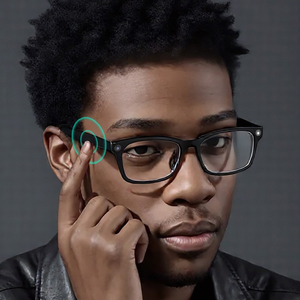
YOKOSI G100 AI Smart AR Glasses Wireless Industrial Hardware
Ultra-lightweight wireless AR spatial computing glasses equipped with hands-free voice assistance, spatial tracking, and digital twin interface overlay for offshore inspection.
Explore the latest articles on optomyography (OCO™), facial expression sensing, XR biofeedback, and affective computing.
Deploy validated, ruggedized wearable spatial sensors, 4K camera streaming, real-time AI translation, and non-contact facial biofeedback tailored for Norway's demanding industrial operations.
Ultra-lightweight wireless AR spatial computing glasses equipped with hands-free voice assistance, spatial tracking, and digital twin interface overlay for offshore inspection.
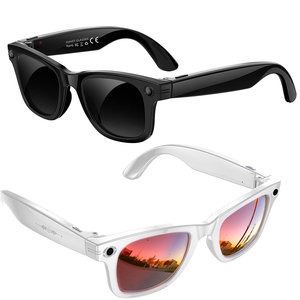
Rugged IP66 waterproof enterprise glasses featuring optical image stabilization, high-speed Wi-Fi data transfer, and noise-canceling dual microphones for offshore noise environments.
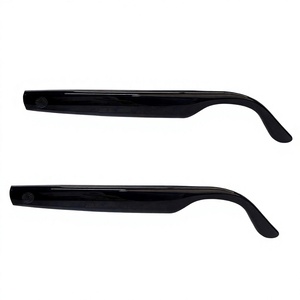
Polarized outdoor industrial eyewear built with fingerprint touch control, AI multi-language translation, and ergonomic frames designed for maritime operations.
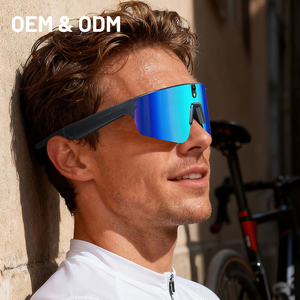
Real-time object recognition smart glasses with instant voice wake-up, high-fidelity micro-audio output, and silicone anti-slip nosepads for plant assembly lines.
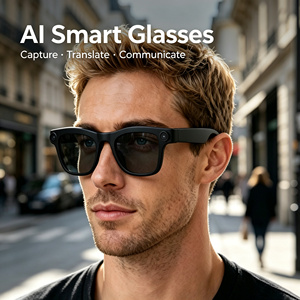
Ergonomic smart sunglasses featuring directional dual audio speakers, spatial computer integration, AI object tagging, and UV400 protective safety lenses.
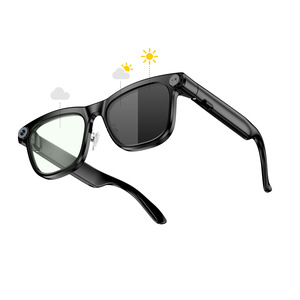
Integrated visual capture system for remote expert assistance, sub-second translation, and automated asset telemetry logging in Norwegian hydro facilities.
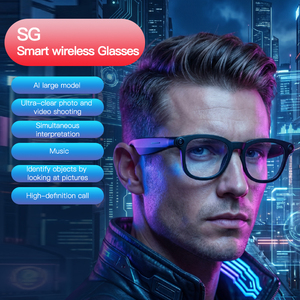
Combines wireless non-contact optical facial skin sensors with real-time biometric analytics for operator fatigue monitoring and high-stress industrial tasks.
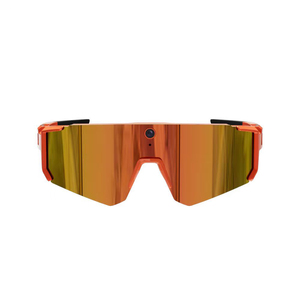
High-precision 9-axis inertial measurement unit combined with 4K video recording for real-time 3D spatial alignment and digital twin synchronization.
As Norway aggressively pursues its national strategy for industrial digitalization and the green transition (Grønn Omstilling), traditional manufacturing plants, offshore energy platforms, and maritime logistics facilities are undergoing a fundamental architectural evolution. The convergence of Spatial Computing, Extended Reality (XR), Edge Artificial Intelligence, and wearable biofeedback hardware is giving rise to the next generation of smart production: the Spatial Computing Factory.
Unlike conventional Industry 4.0 setups reliant on 2D flat-screen SCADA interfaces and manual diagnostic logs, a Spatial Computing Factory merges physical manufacturing environments with dynamic, 1-to-1 3D spatial digital twins. Workers equipped with industrial AR glasses and non-contact biofeedback sensors interact with machine data natively overlaid on physical assets. In high-cost, high-precision industrial sectors like those in Stavanger, Bergen, Kongsberg, and Ålesund, spatial computing reduces downtime, minimizes operational hazards, and solves critical workforce skill transfer challenges.
Implementing spatial computing smart glasses integrated with OCO™ Optomyography (OMG) sensors enables Norwegian enterprise operators to stream 3D facial muscle activation, spatial positioning via 9-axis IMU, and localized subsecond translation—enabling zero-latency hands-free asset maintenance without physical skin contact or invasive electrodes.
Explore how spatial computing factories are deployed across Norway's core export industries to enhance safety, productivity, and operational resilience.
Engineers operating on North Sea oil rigs and offshore wind turbines utilize rugged IP66 spatial AR glasses for hands-free remote inspection. Remote onshore experts view 4K video feeds in real time, projecting spatial CAD annotations into the technician’s field of view to execute complex valve replacements and structural integrity checks without sending extra specialists offshore.
Norwegian maritime vessel builders integrate spatial computing eyewear during hull assembly and engine fitting. Technicians overlay 3D piping schematics onto physical ship compartments, preventing spatial alignment errors during construction and cutting retrofitting costs by up to 35% across commercial shipbuilding projects.
Norway’s vast hydropower network requires continuous maintenance in subterranean power caverns and remote mountain sites. Spatial eyewear equipped with 9-axis IMUs and offline AI diagnostic models allow engineers to inspect turbine vibrations and electrical relays with sub-millimeter precision, even when external cellular networks are inaccessible.
Compare key performance indicators for enterprise spatial hardware deployed in Norwegian smart factories.
| Technology Layer | Proprietary Specification | Industrial Benefit | Norwegian Standard Compliance |
|---|---|---|---|
| Facial Muscle Mapping | OCO™ Optomyography (OMG) 3D Sensing | Non-contact facial biofeedback, stress tracking | CE Mark, RoHS, WEEE |
| Spatial Motion Tracking | 9-Axis IMU + Barometric Altimeter | Sub-millimeter 3D spatial alignment & posture logging | ISO 9001 / NS-EN ISO 9001 |
| Camera & Video Feed | 13MP 4K Camera with Anti-Shake EIS | High-definition remote expert assistance & asset documentation | IP66 Waterproof & Dustproof |
| AI Voice & Translation | 140+ Language Real-Time Dual Mic Engine | Sub-second multilingual technical translation | EU AI Act & GDPR Compliant |
| Spatial Computer Sync | Open SDK, NVIDIA Omniverse & Unity Compatible | Seamless integration into existing factory 3D twins | Norwegian Offshore HMS Standards |
The transformation towards Spatial Computing Factories in Norway is driven by strong macroeconomic, demographic, and regulatory catalysts:
Norway leads the global manufacturing shift from pure Industry 4.0 automation to Industry 5.0 human-centric collaboration. Rather than replacing human operators with autonomous robotics, Norwegian manufacturers prioritize empowering skilled technicians with augmented cognitive tools. Spatial AR eyewear equipped with biofeedback sensors continuously assesses operator strain, adapting spatial interfaces to reduce cognitive load and prevent industrial burn-out.
By replacing routine physical travel with spatial remote expert sessions, Norwegian industrial conglomerates significantly decrease their corporate carbon footprint. Onshore specialists in Oslo or Trondheim can instantly join an offshore rig session via spatial audio-video streaming, diagnosing equipment anomalies without helicopter transport, directly aligning with Norway’s ambitious 2030 climate goals.
Helse, Miljø og Sikkerhet (HMS) regulations in Norway are among the strictest globally. Traditional surface electromyography (EMG) sensors require sticky conductive gel and invasive skin contact that irritate workers over long shifts. The introduction of non-contact OCO™ Optomyography optics integrated into lightweight smart frames guarantees full ergonomic compliance while streaming continuous biometric validation data.
Combining patented UK bio-wearable innovations with ruggedized Asian AR hardware manufacturing for unmatched field reliability.
Our proprietary OCO™ optical sensors map three-dimensional facial skin motion without requiring skin contact or invasive electrodes. Unlike standard eye-tracking cameras that fail in bright sunlight or extreme reflection, optomyography works flawlessly in all lighting conditions—from direct Arctic sunlight to dark offshore engine rooms.
We believe in open ecosystems. Our platform provides a comprehensive SDK allowing Norwegian software developers, academic research groups, and system integrators to build custom dashboards, predictive maintenance algorithms, and bespoke interaction models on top of validated raw sensor streams.
Designed to withstand harsh Nordic environments, our smart glasses feature IP66 dust and water sealing, impact-resistant safety lenses, anti-fog coatings, and low-temperature optimized lithium polymer batteries ensuring continuous shift operation in sub-zero temperatures.
Fully compliant with European General Data Protection Regulations (GDPR) and the EU AI Act. Raw facial optic signals are processed on-device at the edge, ensuring sensitive biometric and operational telemetry remains under your enterprise’s complete security perimeter.
Get immediate answers to common technical, compliance, and integration inquiries regarding spatial computing deployment in Norwegian facilities.
Our industrial AR glasses support standard open industrial protocols including OPC UA, MQTT, and RESTful APIs. They interface natively with leading digital twin suites such as Siemens MindSphere, PTC Vuforia, and NVIDIA Omniverse, enabling instant 3D data pipeline synchronization without requiring complete IT infrastructure overhaul.
OCO™ Optomyography measures micro skin movements optically from inside the frame arms without touching the skin or placing cameras in front of the face. Unlike surface EMG, it requires no conductive gels, adhesives, or skin preparation. Unlike facial video cameras, it operates continuously in variable lighting, respects worker privacy by processing vectors at the edge, and is immune to environmental head motion artifacts.
Select configurations of our industrial hardware portfolio can be supplied with certified intrinsically safe housing compliant with ATEX Zone 1 / Zone 2 standards for North Sea oil & gas platform operations. Please contact our technical sales team for specific model certifications.
Our on-device AI translation engine includes customizable terminology dictionaries. Procurement teams can upload enterprise-specific glossaries containing technical terms in Norwegian Bokmål, Nynorsk, and English—ensuring subsea engineering terms, safety acronyms, and part numbers are translated with 99%+ accuracy.
Yes. Data security is built into our core architecture. Facial telemetry and optical sensor streams are converted into anonymized numerical data arrays on-device. No raw imagery of the user's face is recorded or stored, guaranteeing full compliance with Norwegian Datatilsynet guidelines, GDPR, and the EU AI Act.
We offer structured Enterprise Pilot Kits including hardware, pre-configured software licenses, developer SDK access, and dedicated technical onboarding. We partner with local Nordic IT integrators to provide fast-turnaround hardware replacement, local calibration services, and SLA-backed technical assistance.
Speak directly with our spatial automation experts and hardware engineers to schedule a live demonstration or request an enterprise quotation for pilot deployment in Norway.