Emteq Labs Blog & Scientific Updates
Explore the latest articles on optomyography (OCO™), facial expression sensing, XR biofeedback, and affective computing.
High-Precision Eye Tracking & AI Smart Glasses
Industrial-grade wearable hardware optimized for low latency, zero-contact facial biofeedback, and spatial gaze vector analysis across Seoul's research labs and enterprise facilities.
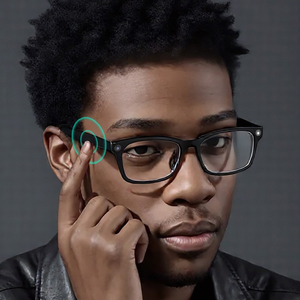
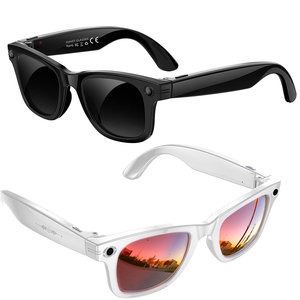
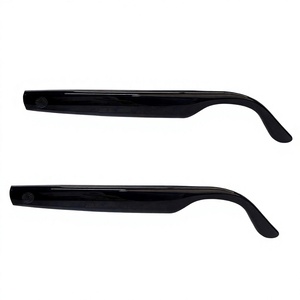
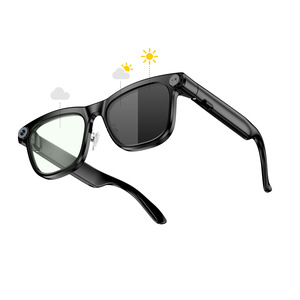
Intelligent Polarized Glasses Leg Multi-Function Fingerprint Touch AI Assistant Translation
Get Catalog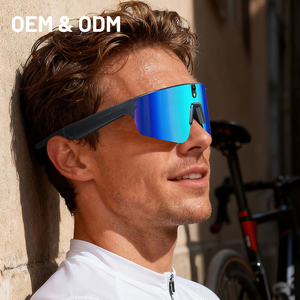
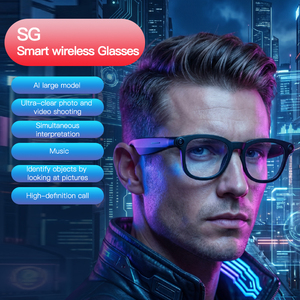
Modern Design AI Wake-up Translation Object Recognition Clear Recording Silicone Glasses
Get Catalog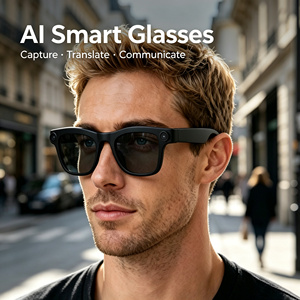
Next-Generation Eye Tracking Infrastructure in the Greater Seoul Area
How South Korea’s leading technology hubs—from Pangyo Techno Valley to Digital Media City (DMC)—are integrating non-contact optomyography and high-frequency ocular hardware into consumer electronics, XR gaming, and automotive UX systems.
Pangyo R&D Hub Integration
Pangyo Techno Valley represents the epicenter of Korean software and hardware integration. Our eye tracking systems interface natively with C++, Python, Unity, and Unreal Engine SDKs, providing sub-millisecond data synchronization for next-gen XR spatial computing prototypes.
Automotive HUD & DMS Telemetry
With major automotive manufacturers situated near Hwaseong, Incheon, and Seoul, demand for reliable Driver Monitoring Systems (DMS) has spiked. Our eyewear sensors map micro-sleep patterns, gaze vector drift, and cognitive load during simulated driving trials.
Gangnam Medical & Rehab Labs
Clinical institutions in Gangnam and Sinchon utilize our patented OCO™ optomyography hardware for non-contact facial paralysis diagnostics, neuromarketing assessment, and psychiatric biofeedback studies without gel electrodes.
Optomyography (OMG) vs. Traditional Eye Tracking & sEMG
A rigorous architectural breakdown for procurement engineering teams in South Korea seeking actionable biometric telemetry without invasive contact or environmental interference.
| Technology Vector | Patented OCO™ Optomyography (OMG) | Camera-Based Infrared Eye Tracking | Surface Electromyography (sEMG) |
|---|---|---|---|
| Skin Contact Requirement | Zero Contact (Optical Skin Sensing) | Zero Contact (Remote / Head-Mounted) | Requires Gel Electrodes & Adhesive |
| Outdoor Daylight Performance | Immune to Ambient Solar Glare | Susceptible to IR Sunlight Interference | Not Applicable (EMG focused) |
| Data Privacy (PIPA Compliance) | 100% On-Device Vector Math (No raw face storage) | Requires Camera Video Feed Processing | Requires Raw Electrical Signal Shielding |
| Facial Muscle Displacement | 3D Sub-Millimeter Mapping (0.2mm) | 2D Pixel Geometry Estimation | 1D Voltage Amplitude Delta |
| Setup Time & Calibration | < 30 Seconds Instant Alignment | 2 to 5 Minutes Multi-Point Calibration | 10+ Minutes Gel Application & Cleaning |
Frequently Asked Questions by Seoul Buyers
Addressing supply chain logistics, regulatory compliance, hardware calibration, and custom software integration for South Korean academic labs, hospitals, and corporate R&D divisions.
How does your factory handle shipping, customs clearance, and KC certification for Seoul orders?
We maintain a streamlined supply chain route serving the Seoul Metropolitan Area via Incheon International Airport and Gimpo freight hubs. For enterprise hardware deployment, our factory provides complete documentation compliance packages—including CE, RoHS, and preliminary test reports required for KC (Korea Certification) registration. Standard sample delivery to Seoul takes 3 to 5 business days, while volume OEM runs are handled with dedicated door-to-door DDP shipping options.
Why is non-contact Optomyography (OMG) superior to traditional surface EMG for human factors research in Korea?
Surface EMG requires conductive gels, skin preparation, and direct electrode contact, which cause skin irritation, signal degradation over time, and setup delays in lab environments. Our patented OCO™ Optomyography sensor technology measures facial skin movement optically without touching the skin. This enables instant deployment, zero signal drift during sweat buildup, and continuous multi-hour monitoring in realistic outdoor or workplace settings across Seoul's industrial testing labs.
Does the eye tracking and bio-sensing software comply with South Korea’s Personal Information Protection Act (PIPA)?
Yes. South Korea enforces strict biometric data handling laws under PIPA. Our hardware platform processes high-frequency optical signals and eye vector coordinates on-device using edge compute logic. Raw facial video feeds do not need to be streamed to external servers or cloud storage; only mathematical displacement vectors and timestamped valence metrics are output via our encrypted SDK, ensuring complete privacy compliance for Korean institutional review boards (IRB).
Can we integrate your hardware data streams into custom spatial software built on Unity or Unreal Engine?
Absolutley. We supply a full suite of open APIs and SDKs supporting C++, Python, Unity, and Unreal Engine. Whether your engineering team in Pangyo is building hands-free XR control interfaces, immersive gaming feedback loops, or automotive driver fatigue monitoring algorithms, our time-synchronized sensor streams (facial displacement, 9-axis IMU, and outward scene cameras) integrate effortlessly into your existing codebase.
Request Enterprise Specifications & Factory Price List
Direct factory engineering support available for Seoul-based academic institutions, healthcare systems, and OEM electronics manufacturers.