The architectural development of facial expressivity monitoring software over the past decade reflects a fundamental migration toward Edge-AI processing and multimodal bio-signal fusion. In early-generation affective computing software, processing raw physiological telemetry required heavy desktop workstation tethering and post-hoc data cleaning. Emteq Labs engineered a lightweight runtime engine that executes digital signal filtering, baseline normalization, and machine learning inference directly on mobile and edge devices.
1. Multimodal Bio-Signal Fusion Engine
Facial muscle contraction rarely occurs in isolation. A micro-expression of frustration or delight coincides with subtle head tilt, posture alterations, and environmental stimuli. The Emteq software engine ingests streams from the 9-axis Inertial Measurement Unit (IMU), pressure sensor arrays, altimeter, and outward scene camera simultaneously. By cross-correlating 3D optical skin movement around the Zygomaticus Major (smile muscle) and Corrugator Supercilii (frown muscle) with head movement vectors, the software suppresses false positives caused by chewing, talking, or heavy walking.
2. Privacy-Conscious On-Device Processing
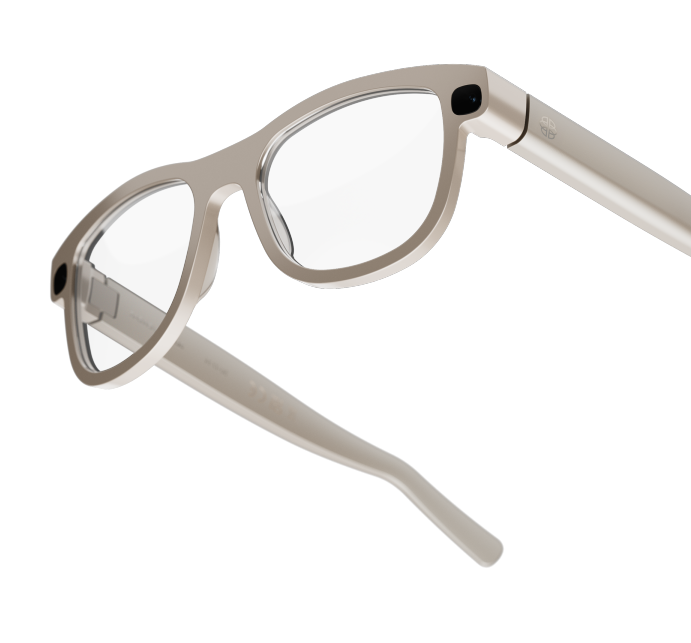
Global enterprises and health institutions face strict regulatory scrutiny when processing biometric data. Unlike camera-based facial expression software that stores or streams identifiable video recordings of subjects, the OCOsense™ system computes mathematical displacement arrays locally. Sensor outputs are converted into numerical muscle activation coefficients, valence indexes, and discrete expression triggers on-device. This privacy-by-design architecture ensures compliance with international data privacy laws while safeguarding participant anonymity.
3. Developer-First Open SDK Architecture
To empower researchers, software engineers, and enterprise innovators, Emteq Labs maintains an open SDK framework. Developers can easily access low-level raw optomyographic data streams or high-level processed cognitive metrics via clean API endpoints in Python, C++, Unity, and Unreal Engine. Whether building dynamic virtual reality avatar control systems or automated clinical assessment apps, our software platform seamlessly plugs into existing digital workflows.








.avif)


















.png)



.png)


.png)

.png)