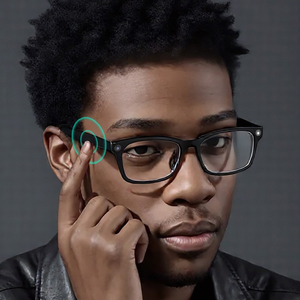
YOKOSI G100 AI Smart AR Glasses Wireless Hardware
Integrated with real-time HUD telemetry, wearable eye-tracking biofeedback, and low-latency Bluetooth connectivity for smart tourism guidance.
Explore the latest articles on optomyography (OCO™), facial expression sensing, XR biofeedback, and affective computing.
Industrial-grade wearable bio-sensing devices engineered for clinical research, XR interaction, spatial translation, and real-time physiological tracking.
Integrated with real-time HUD telemetry, wearable eye-tracking biofeedback, and low-latency Bluetooth connectivity for smart tourism guidance.
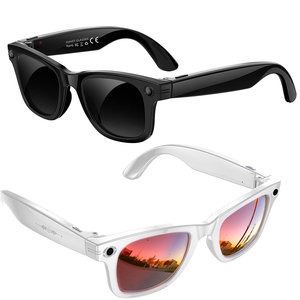
Rugged IP66 waterproof frame featuring optical image stabilization, high-precision inertial motion units (IMU), and fast Wi-Fi data offloading.
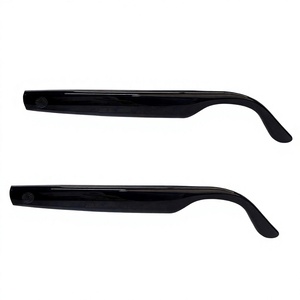
Multi-functional outdoor sunglasses featuring biometric sensor temples, touch feedback control, and real-time multi-country acoustic processing.
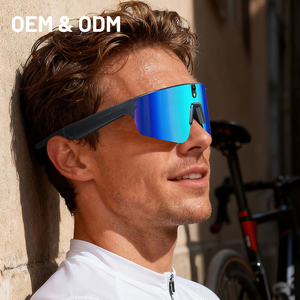
Ergonomic biocompatible silicone frame designed for continuous physiological tracking, voice wake-up, and localized high-clarity voice recording.
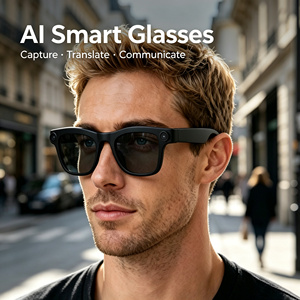
Hands-free acoustic feedback sunglasses equipped with dual 13mm directional drivers, non-contact motion detection, and object visual recognition.
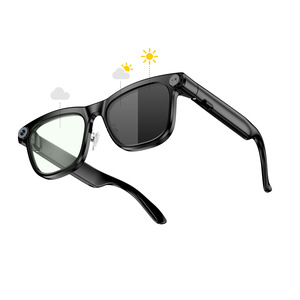
Designed for cognitive market research and academic research, capturing facial micro-expressions alongside synchronized scene video capture.
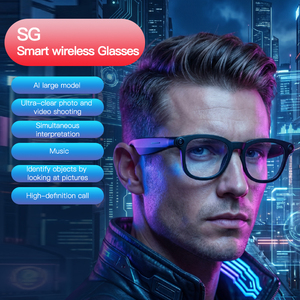
Ultra-lightweight biometric frame combining capacitive touch interfaces, acoustic streaming, and automated visual scene-context analysis.
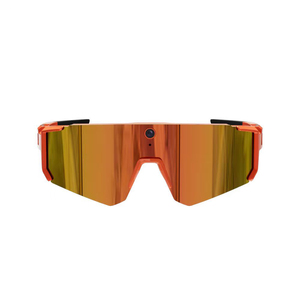
High-performance athletic smart glasses with integrated 9-axis movement tracking, low-latency telemetry streaming, and ultra-HD scene capture.
An authoritative analysis of non-contact Optomyography (OMG), high-speed facial muscle activation mapping, and high-volume OEM/ODM manufacturing standards.
For decades, surface Electromyography (sEMG) stood as the gold standard for measuring facial biofeedback, emotional valence, and muscular strain. However, sEMG carries distinct real-world limitations for commercial wearable deployment: requirement of conductive hydrogels, skin abrasion, high sensitivity to ambient electromagnetic interference (EMI), and rapid signal degradation caused by perspiration.
As a leading China biofeedback hardware factory, our manufacturing engineering division has spearheaded the mass industrialization of Optomyography (OMG). By utilizing patented non-contact optical sensors integrated directly into smart eyewear frames, our hardware measures sub-millimeter skin surface displacement driven by underlying facial muscle contraction (such as the Zygomaticus major and Corrugator supercilii).
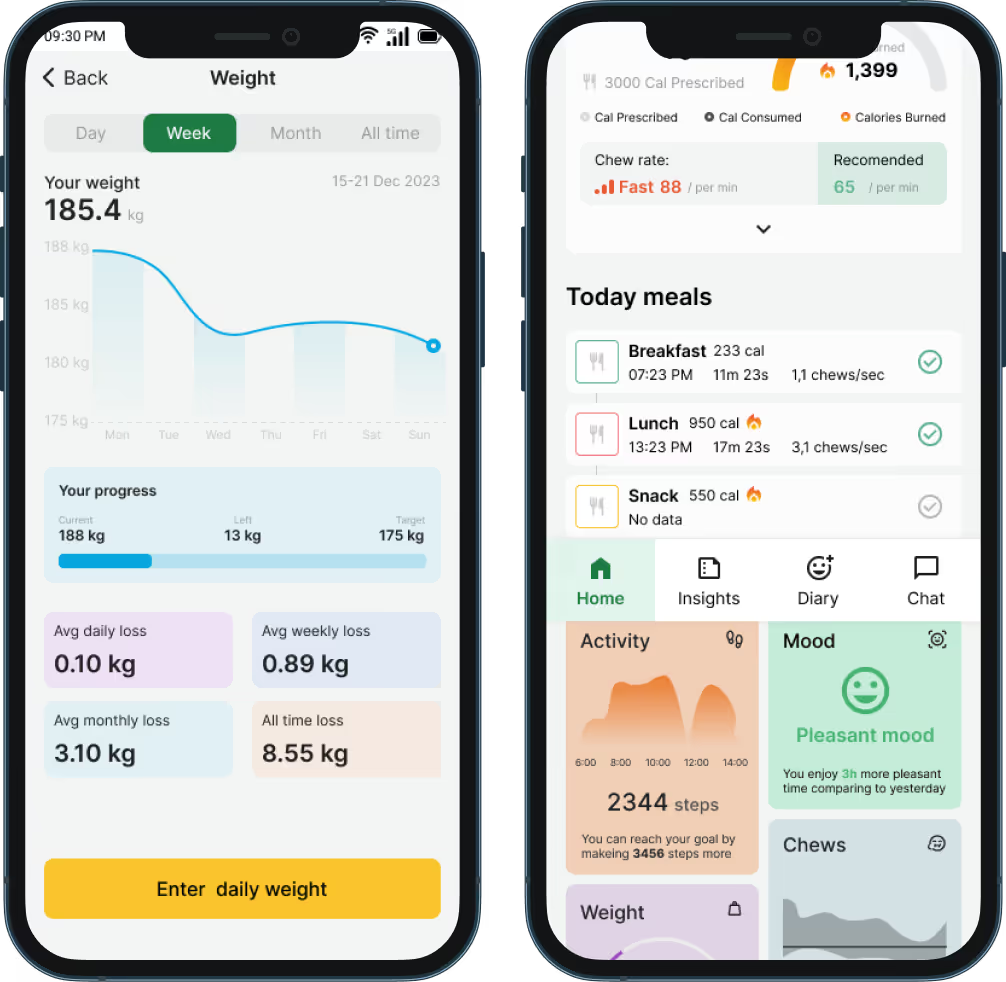
Synchronized telemetry processing combines 3D skin displacement metrics, 9-axis IMU spatial dynamics, and outward contextual video to deliver actionable behavioral intelligence outside lab environments.
Understanding the technical differences between legacy physiological recording tools and contemporary wearable hardware is crucial for institutional buyers, research laboratories, and B2B system integrators.
| Technical Metric | Legacy Surface EMG Hardware | Camera-Based Facial Coding | Next-Gen OCO™ Optomyography Hardware |
|---|---|---|---|
| Skin Contact Requirement | Direct Skin Gel / Sticky Electrodes | None (Requires Direct Line-of-Sight) | Non-Contact Optical Proximity Sensors |
| Environmental Stability | Degrades with Sweat / Motion | Fails in Dark / High Sunlight | Immune to Ambient Light & Sweat Drift |
| Data Latency | 10ms – 50ms Analog Signal | 100ms – 300ms Frame Processing | < 1ms On-Chip Digital Telemetry |
| On-Device Privacy | Raw Electrical Voltage | High Risk (Captures Facial Images) | 100% On-Device Anonymized Kinematics |
| Multi-Modal Integration | Bulky Cable Harnesses | Fixed Stand-alone Webcams | IMU + Altimeter + Audio + Camera Fusion |
| SDK & Custom API Access | Proprietary Closed Formats | Cloud API Dependency | Open SDK / C++ / Python / Unity / Unreal |
Key strategic indicators guiding enterprise buyers, medical equipment distributors, and technology developers toward next-generation biosensing solutions.
Procurement teams are shifting away from single-parameter devices. Modern specifications demand the simultaneous capture of facial optomyography, photoplethysmography (PPG heart rate variability), 9-axis inertial movement, and environmental context. This multi-modal synergy enables holistic stress, fatigue, and valence indexing.
With strict global regulations (such as GDPR, HIPAA, and CCPA), biofeedback hardware suppliers must process sensitive biometrics locally on embedded microcontrollers. Raw optical signals are translated into anonymized mathematical vectors before transmission, mitigating cloud-privacy vulnerabilities.
The market demands hardware that feels identical to everyday prescription eyewear. Advanced China OEM factories are leveraging liquid silicone rubber (LSR) overmolding, titanium alloy hinges, and ultra-compact flexible PCBs (FPC) to achieve total device weights below 45 grams while maintaining 10+ hours of continuous battery runtime.
The convergence of extended reality (XR) spatial computing and physiological biofeedback represents the highest growth vector in wearable electronics. Traditional VR/AR headsets struggle with internal lower-face tracking due to physical proximity constraints.
By embedding micro-optomyography sensors into the nose pads and frame rim of smart glasses, hardware manufacturers can map 3D muscular contractions around the eyes, cheeks, and jaw line without blocking the field of view. This unlocks hands-free facial gesture interfaces for immersive gaming, digital avatar driving, accessibility control for disabled users, and clinical neurological rehabilitation.
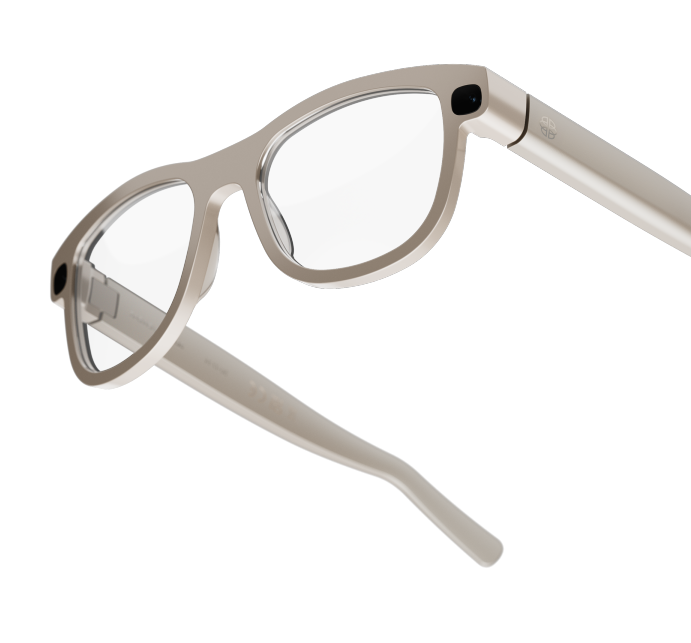
Combining world-class acoustic/optical testing labs, ISO-certified cleanroom SMT lines, and international patent portfolios to deliver turnkey B2B hardware solutions.
Our state-of-the-art manufacturing facilities maintain high-speed Surface Mount Technology (SMT) lines operating under Class 100,000 cleanroom environments, ensuring medical-grade quality control for delicate biometric sensor modules.
Backed by extensive international patent protection—including GB2561537, GB2604076, US11,003,899, and US11,538,279—our OEM/ODM clients operate with complete intellectual property confidence in global distribution markets.
From industrial design (ID) and tooling design to custom firmware development, optical calibration, algorithm tuning, and CE / FCC / RoHS / WEEE regulatory certifications—we manage the complete product lifecycle.
Expert guidance addressing common engineering, procurement, and integration inquiries from enterprise clients.
OCO™ optomyography measures facial skin movement optically without direct electrode-to-skin contact and without mounting an invasive camera pointed at the user's face. Unlike surface EMG, it eliminates conductive gels, skin irritation, and signal drift caused by perspiration. Compared to camera-based computer vision tracking, optomyography functions in direct sunlight or total darkness, operates at sub-millisecond latencies, and preserves complete user privacy by processing raw movement signals directly on-device.
Our biofeedback hardware platform outputs time-synchronized data streams including 3D facial muscle activation dynamics, valence and expressivity metrics, 9-axis IMU spatial head motion (pitch, roll, yaw), altimeter elevation shifts, outward contextual scene video, and real-time event markers. All parameters can be streamed via BLE 5.3 or Wi-Fi as raw telemetry signals or interpreted biometric metrics via our open SDK.
We offer end-to-end hardware customization: custom frame industrial design, frame material selection (TR90, titanium, biocompatible silicone), custom optical sensor positioning for targeted muscle groups, custom PCB layouts, integration of specialized camera sensors or microphone arrays, co-branded mobile app development, and bespoke SDK compiler integration for custom hardware platforms.
Our manufacturing facility operates under ISO 13485 quality management systems. All standard hardware platforms are compliant with CE, FCC, RoHS, REACH, and WEEE directives. For medical-grade or clinical evaluation projects, full factory documentation, material biocompatibility test reports (ISO 10993), and ESD immunity test logs are available upon request.
Standard evaluation hardware kits are available with lead times of 3 to 5 business days for initial testing. For custom OEM/ODM production orders, our standard MOQ starts at 500 units depending on frame customization complexity, with prototype sample delivery typically within 3 to 4 weeks.
Consult directly with our senior hardware engineering team to review technical specifications, request evaluation sample kits, or initiate custom OEM/ODM production for your market.