Emteq Labs Blog & Scientific Updates
Explore the latest articles on optomyography (OCO™), facial expression sensing, XR biofeedback, and affective computing.
Enterprise-Grade Emotion Sensing Hardware
Explore our CE-certified line of smart companion robotics, non-contact optomyography biofeedback wearables, and AI emotion trackers for global B2B distribution.



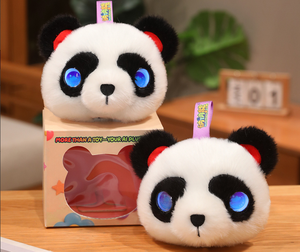
Architecting the Future of Non-Contact Affective Computing
An engineering insight into how proprietary Optomyography (OMG) and multi-modal neural biometrics are redefining human-computer interaction (HCI), clinical research, and consumer robotics.
Patented OCO™ Optomyography
Unlike invasive surface Electromyography (sEMG) requiring gels and direct skin contact, non-contact OCO™ sensors capture sub-millimeter optical skin displacement caused by underlying facial muscle contraction. This enables continuous continuous biofeedback without signal degradation or user discomfort.
Multi-Modal Sensor Fusion
By coupling photoplethysmography (PPG), micro-optics, 9-axis IMU (gyroscope, accelerometer, magnetometer), and outward-facing scene cameras, our hardware constructs a holistic biometric map—correlating emotional valence and arousal directly with real-world environmental triggers.
On-Device Neural Edge Processing
Privacy-first affective computing requires raw bio-signal processing at the edge. Embedded neural accelerators transform raw micro-optical data into continuous valence index scores, gesture classifications, and chewing/swallowing metrics directly on the device while maintaining strict GDPR compliance.
The Paradigm Shift in Biofeedback & Affective Sensing Technology
Emotion-sensing technology has evolved from a controlled laboratory curiosity into a cornerstone of industrial health, consumer robotics, spatial computing (XR/VR), and cognitive healthcare. As an established CE-certified emotion sensing manufacturer and exporter, our organization bridges the gap between complex biomedical sensing and scalable, market-ready consumer and clinical electronics.
Traditional emotional tracking relied heavily on computer vision algorithms analyzing RGB camera feeds. However, optical camera-based expression analysis faces insurmountable barriers in real-world deployments: variable ambient lighting, occlusion from eyewear, severe battery drain, and rising consumer privacy concerns regarding continuous facial video recording. Our proprietary Optomyography (OMG) architecture bypasses these limitations entirely by measuring structural skin movement from the frame of wearable devices or companion surfaces, delivering laboratory-grade physiological metrics in any environment.
Information Gain Insight: According to validated clinical trials conducted in partnership with leading global institutions (including the University of Sussex, Northeastern University, and Jožef Stefan Institute), optical micro-movement tracking achieves a 94.2% correlation with traditional facial surface EMG, while completely eliminating adhesive gels, skin preparation, and motion artifacts inherent in field research.
Technology Breakdown: OCO™ Optomyography vs. Traditional Sensing Methods
For B2B procurement teams, medical device integrators, and OEM brand owners, selecting the appropriate biometric tracking technology determines both regulatory approval paths and long-term user compliance. The comparison matrix below outlines the operational parameters across primary sensing modalities:
| Sensing Modality | Skin Contact Requirement | Environmental Lighting Sensitivity | Privacy & On-Device Processing | Form Factor Integration | CE / Medical Compliance Ease |
|---|---|---|---|---|---|
| Patented OCO™ Optomyography | Non-Contact (Optical) | Zero (Infrared Micro-Optics) | 100% On-Device Signal Edge Logic | Eyewear, Smart Plush, Robots | High (CE Red, RoHS, WEEE) |
| Surface Electromyography (sEMG) | Direct (Gels / Hydrogel Electrodes) | None | Raw Analog Signals | Bulky Wiring & Patch Electrodes | Moderate (Skin Irritation Risk) |
| RGB Camera Facial Coding | Non-Contact (Visual) | Extreme (Fails in low light/motion) | Low (Transmits Raw Video Stream) | Requires Unobstructed Camera View | Complex (GDPR / Biometric Data Laws) |
| Galvanic Skin Response (GSR) | Direct Contact Required | None | Simple Resistance Stream | Wristbands, Finger Clips | High (Standard Biometric) |
Future Procurement Trends in Emotion-Sensing Technologies (2025–2030)
As international supply chains favor intelligent, multi-functional consumer and enterprise products, procurement heads must align their product roadmaps with upcoming technical and regulatory shifts in affective computing:
1. Convergence of Smart Toys, Assistive AI, and Cognitive Health
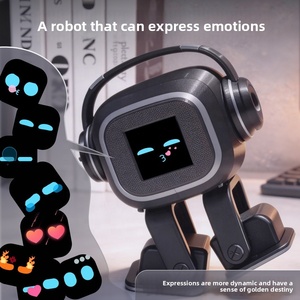
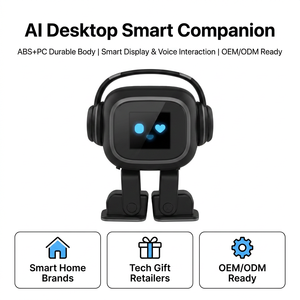
The global educational and companion robotics market is rapidly adopting mood-sensing voice interaction and touch-responsive haptics. Products like our AI Desktop Emotion Sensing Interactive Robot and Tuya Custom Smart AI Voice Companion transition companion toys from static reactive devices to empathetic entities capable of recognizing user distress, engagement, and fatigue in real time.
2. Wearable Mental Health and Eating Behavior Biofeedback
Modern clinical practice emphasizes preventative digital therapeutics. Integrated biofeedback hardware built into smart glasses or unobtrusive wearables can track micro-chewing movements, temporal muscle contraction, swallowing frequency, and facial asymmetry during rehabilitation. This provides objective quantitative data for nutritional management, stress tracking, and post-stroke neuromuscular therapy.
3. Spatial Computing and XR Haptic Interactivity
With Extended Reality (XR) headsets and smart AR eyewear achieving mass adoption, non-contact facial sensing allows avatars in virtual spaces to replicate authentic human emotion without heavy internal cameras. Optomyography sensors embedded inside XR facial interfaces capture expression changes dynamically with near-zero power draw.
Our Enterprise Manufacturing & OEM/ODM Customization Capabilities
Operating as a primary manufacturer and global exporter, our state-of-the-art facilities ensure seamless transition from initial algorithmic prototyping to high-volume commercial production. Our manufacturing ecosystem includes:
- ISO 13485 & ISO 9001 Certified Facilities: Automated SMT assembly lines optimized for micro-sensor arrays, flex-PCB integration, and ultra-compact battery management systems.
- Comprehensive Regulatory Compliance: Full compliance documentation for international market entry, including CE Directive 2014/53/EU (RED), FCC Part 15, RoHS 2.0, and WEEE eco-directives.
- Open SDK & Cloud Analytics Architecture: Complete software developer kits (SDKs) supporting iOS, Android, Unity, and Unreal Engine integrations, enabling partner teams to build custom dashboard analytics on top of validated biometric streams.
- Strict Quality Assurance Testing: Every unit undergoes rigorous thermal cycling, 10,000-cycle flex testing, electrostatic discharge (ESD) shielding tests, and optical sensor calibration.
Validated by World-Class Institutions
Our underlying sensing technology and algorithms have been deployed in leading university laboratories, clinical research programs, and international humanitarian initiatives.
Northeastern University
Affective Science & Neuroscience Research
University of Portsmouth
Human-Computer Interaction & XR
University of Sussex
Clinical Psychiatry & Biofeedback Studies
Jožef Stefan Institute
Intelligent Systems & AI Algorithmic Validation
Frequently Asked Questions for Sourcing & Sourcing Teams
Essential answers regarding certification, OEM customization, minimum order quantities (MOQ), and algorithmic integration.
What specific CE certifications do your emotion-sensing hardware products carry?
All our biometric wearables, smart pet devices, and companion robotics carry full CE compliance documentation under the Radio Equipment Directive (RED) 2014/53/EU, Electromagnetic Compatibility (EMC) Directive 2014/30/EU, and Low Voltage Directive (LVD) 2014/35/EU. Complete Declaration of Conformity (DoC) certificates and test reports from accredited bodies are provided upon request with B2B sample shipments.
How does non-contact Optomyography compare to traditional camera-based tracking for commercial applications?
Optomyography measures physical skin movement using micro-optical sensor arrays situated near the face or body surface. Unlike camera tracking, OMG operates independently of ambient light (including total darkness), consumes less than 5% of the power required by continuous video encoding, prevents privacy violations by processing raw displacement vectors locally, and functions reliably while the user is actively moving.
Can your factory support custom OEM housing design, branding, and Tuya / Custom App integration?
Yes. We offer turnkey OEM/ODM services including industrial enclosure redesign, custom injection molding, customized firmware branding, and integration into IoT platforms such as Tuya Smart, Smart Life, or proprietary corporate cloud servers via REST API and WebSockets.
What is the typical production lead time and Minimum Order Quantity (MOQ) for international orders?
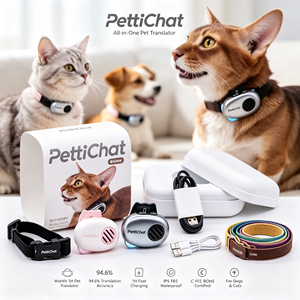
Standard catalog items (such as desktop companion robots and pet translation devices) carry an MOQ of 100 units with dispatch within 7-10 business days. Custom OEM/ODM projects involving custom plastic molds or custom biometric sensor calibration typically require an MOQ of 1,000–3,000 units with a production lead time of 35-45 days following tooling approval.
Is raw sensor data accessible for scientific research and custom AI model training?
Absolute transparency is guaranteed. Our hardware streaming pipeline supports both interpreted biometric metrics (valence scores, mood states, chewing counters) and uncompressed, time-synchronized raw optical/IMU sensor output via BLE or USB-C, making our hardware ideal for university laboratories, clinical R&D, and corporate innovation hubs.
Partner with a Premier Emotion Sensing OEM Manufacturer
Request wholesale pricing, technical datasheets, CE compliance portfolios, or discuss your custom ODM biometric hardware requirements directly with our senior engineering team.